
 Anonsms
 Caballero


Es muy difícil ignorar tu intuición. Te ríes y hablas, y aun así algo anda mal. Si siempre te preguntas si tu amigo está de tu lado, quizás estés buscando la manera de comprobar su lealtad sin armar un escándalo. Esta indecisión es emocionalmente agotadora. Esta guía está diseñada para ayudarte a obtener claridad mediante pruebas de lealtad sutiles y de bajo riesgo, que revelan patrones y no comportamientos aislados.
Tenga en cuenta que la base de toda buena amistad es la confianza. Estas pruebas deben aplicarse en casos en los que dicha confianza ya esté seriamente cuestionada, no para una amistad controladora o sana.
Prueba #1 – La prueba de información
Comparte un “secreto” falso e inofensivo y verás si vuelves a saber de él.
Una forma sencilla de comprobar la lealtad de un amigo es observar cómo gestiona la información que le has confiado. Esto no implica revelar nada personal ni hiriente. Más bien, toma un detalle insignificante pero plausible.
Cómo ejecutarlo
Dile casualmente a tu amigo algo como: "Oye, no se lo he contado a mucha gente, pero estoy considerando tomar algunas clases de cerámica el próximo mes".
Dilo en tono confidencial, como si fuera privado. Luego espera.
Cuando días después otra persona te pregunta sobre tu nuevo hábito de cerámica, tienes la respuesta. Los falsos amigos no son amigos leales; son filtradores de información.
¿Por qué funciona esto?
A las personas desleales les resulta imposible resistirse a los chismes. Si intentas saber si un amigo es falso, este test indica si mantiene límites o si le encanta divulgar información para llamar la atención.
Prueba #2 – La prueba de las buenas noticias
Comparta buenas noticias y observe su reacción inmediata y sin filtros.
Es una de las pruebas de lealtad más sensibles y sutiles desde el punto de vista emocional. Al contar una victoria, ya sea pequeña o grande, intentas ver si tu amigo está realmente contento de que hayas ganado.
Qué hacer
Diles algo positivo:
- Una promoción
- Un logro personal
- Una nueva oportunidad
Luego observa atentamente su respuesta.
Señales de un amigo leal:
- Emoción genuina
- Preguntas de seguimiento
- Estímulo
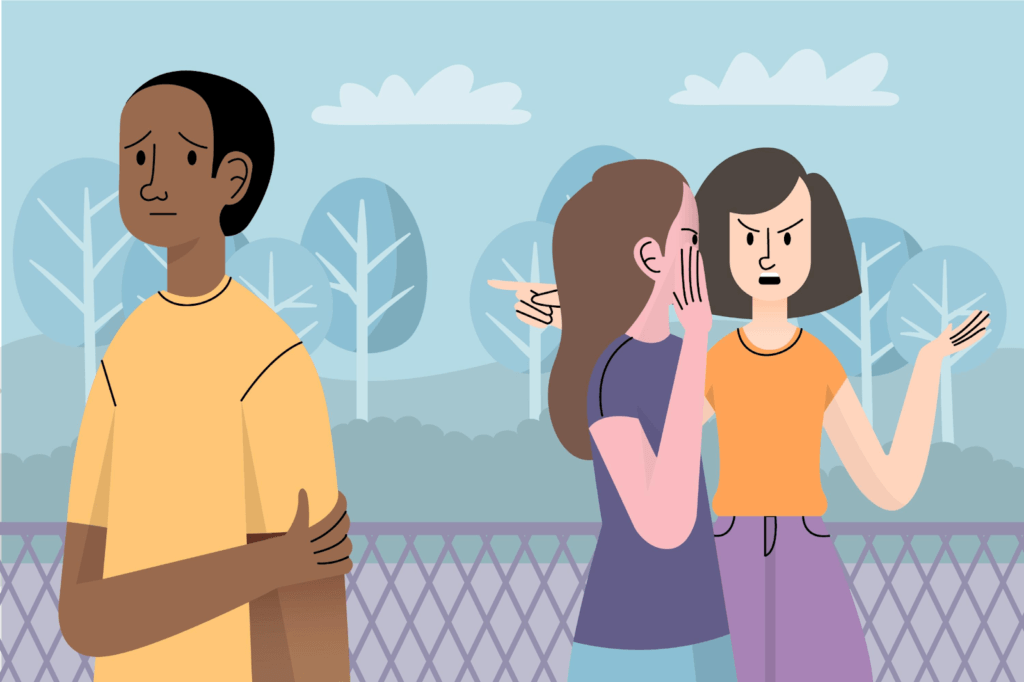
Banderas rojas:
- Sonrisas forzadas
- Cambios rápidos de tema
- Restarle importancia a su éxito
- Comentarios pasivo-agresivos
Cuando siempre parece molesto por tu felicidad, es un buen indicio de celos. Con el tiempo, esta tendencia te ayuda a comprobar si un amigo es fiel sin cuestionarlo.
Prueba #3 – La prueba del favor inconveniente
Pide un pequeño favor que requiera poco esfuerzo y observa la tendencia.
Esta prueba no se trata de exigir ayuda; se trata de reciprocidad.
Cómo hacerlo
Pide algo pequeño pero ligeramente incómodo, como por ejemplo:
- Un viaje corto
- Ayuda para revisar algo
- Aparecer brevemente cuando necesitas apoyo
Lo que más importa: los patrones
Es natural que un amigo fiel esté ocupado en algún momento. Sin embargo, cuando tu amigo nunca te acompaña, sino que siempre quiere que lo favorezcas, eso dice mucho.
Quienes deseen comprobar la lealtad de un amigo deberían fijarse en la constancia, más que en situaciones puntuales. Los falsos amigos quitan más de lo que dan.
Prueba #4 – La prueba del desacuerdo
Discrepe respetuosamente y vea cómo lo manejan.
Una de las maneras más inesperadas de poner a prueba la lealtad de un amigo es discutir con él por un asunto sin importancia. No tiene por qué ser emocional ni personal.
Cómo probarlo
Discrepen en algo pequeño: películas, opiniones, planes. Mantengan la calma y el respeto.
Lo que esto revela
Amigos leales:
- Respeta tu opinión
- No te sientas amenazado
- Se puede estar en desacuerdo sin insultos
Amigos desleales o controladores:
- Ponerse a la defensiva
- Burlarse o menospreciarte
- Tomar el desacuerdo como algo personal
Si un amigo no tolera diferencias inofensivas, puede que no te respete de verdad. Esta es una idea clave para saber si un amigo es falso.
Prueba #5: La prueba anónima definitiva
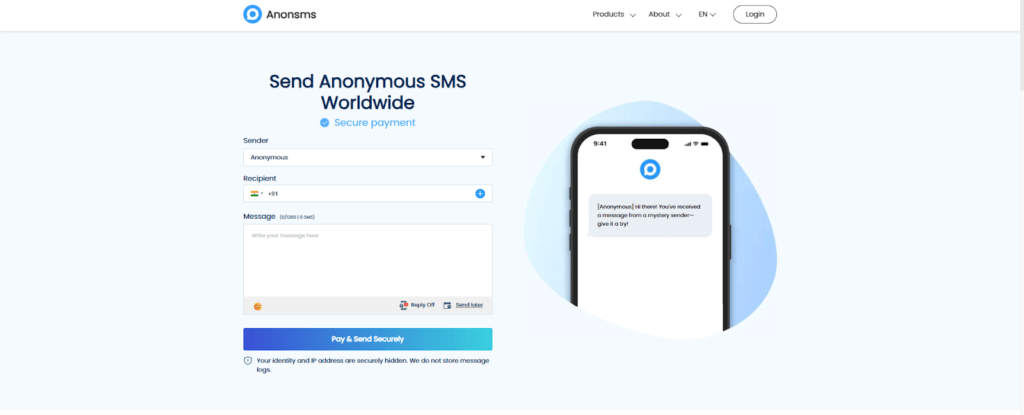
Usar Anonsms enviar un mensaje anónimo cuidadosamente elaborado y observar su respuesta.
Este es el mejor método para descubrir si un amigo es leal o no, particularmente cuando necesitas pruebas concretas sin conflicto directo.
La configuración
Con AnonsmsPuedes enviar mensajes anónimos sin revelar tu identidad. Esto te permite observar los instintos de tus amigos: cómo se comportan cuando creen que no los estás viendo.
Ejemplo de guión 1: La prueba de defensa
Enviar un texto anónimo:
Oye, escuché que [Tu nombre] estaba hablando mal de ti.
Respuesta de un amigo leal:
- Te defiende
- Preguntas al remitente
- Se niega a participar
Respuesta de amigo falso:
- ¿En serio? ¿Qué dijeron?
- Añade chismes
- Se involucra con entusiasmo
Esta prueba expone poderosamente la lealtad versus el oportunismo.
Ejemplo de guión 2: La prueba del guardián secreto
Enviar:
Conozco el secreto de [Tu nombre] sobre las clases de cerámica.
Un amigo fiel protege tu privacidad o cierra la conversación. Un amigo falso participa, indaga o confirma detalles.
¿Por qué funciona esto?
Las personas revelan su verdadero carácter cuando creen que no habrá consecuencias. Entre todas las pruebas sutiles de lealtad, el anonimato elimina la presión social y muestra un comportamiento crudo.
Ya tienes los resultados. ¿Y ahora qué?
Observa el patrón más grande y decide con calma cuál será tu próximo paso.
Ninguna prueba por sí sola debería definir una amistad. Usa estos resultados como parte de un panorama más amplio. Si varias pruebas te dan señales de alerta, es probable que tus instintos estuvieran en lo cierto.
Si sus sospechas se confirman
Ahora tienes claridad. Esa claridad te ayuda a decidir si:
- Establecer límites
- Distanciarse
- Terminar la amistad
- O confrontarlos directamente
El proceso de prueba no es la única parte del rompecabezas. Una vez que hayas probado tus miedos, el siguiente paso es decidir qué hacer. Descubre más en nuestro... Guía definitiva para lidiar con amigos falsos.
En caso de que esté dispuesto a discutirlo con ellos, consulte nuestro artículo sobre Cómo confrontar a un amigo que te traicionó.
Conclusión
La lealtad no se mide por la manipulación, sino por la autoprotección. En esta guía, aprenderás cinco métodos efectivos para comprobar la lealtad de un amigo: la prueba de la información, la prueba de las buenas noticias, la prueba del favor inconveniente, la prueba del desacuerdo y la prueba final del anonimato. No se trata de acusar, sino de encontrar paz mental y lucidez emocional.
Los anónimos te permiten descubrir la verdad de la forma más segura y anónima, preservando tu confianza y tu bienestar emocional. Deberías tener amigos honestos, respetuosos y leales, en lugar de aquellos que te cuestionan constantemente.




 Spanish
  English
  German
  Italian
  Turkish
  French
  Russian
  Portuguese
  Czech
Czech  Finnish
  Danish