
 Anonsms
 Gentell


It is never simple to confront, particularly when trying to decide how to confront your friend who has betrayed your trust. Your current feelings of anger, confusion, and sadness are quite natural. The betrayal of friends is a painful thing, because it is a betrayal by a person whom you trusted.
The guide is intended to provide you with a cool, strategic approach towards dealing with a tough conversation with a friend. You will know how to prepare, what to say, and how to preserve your peace, and you have ready confrontation scripts that you can modify to fit your case.
Before deciding on confrontation, it’s helpful to understand all your options. For a broader look at all your options, see our Ultimate Guide to Dealing with Fake Friends.
Should You Confront a Friend Who Betrayed You?
Yes, you must face them in case the friendship is important to you, or you require closure to get on with it.
Confronting a friend is not learning to create drama. It is all about clarity and respect for oneself. In case of betrayal, the silence can be followed by resentment, self-blame, and unresolved pain. Confrontation presents two valuable advantages.
To begin with, it offers an opportunity to repair. Others truly do not know the consequences of their behaviors. A respectful conversation about betrayal of friends enables them to justify, accept the blame, and perhaps apologize. Unusual yet significant instances of this can reinforce the friendship.
Second, confrontation brings you closure. Although the friendship may be over, speaking out makes you defend yourself. It makes a mark and makes you remember that your feelings are important. You don’t have silent pain any longer.
When you are wondering whether the conversation with a friend that was hard to have is worth it, you should ask yourself the question: Will I regret more staying silent than telling the truth? When the response is affirmative, then confrontation is the appropriate action.
How Do You Prepare for the Confrontation?
Prepare by knowing your goal, sticking to facts, and choosing the right setting.
The difference between an effective dialogue and an emotional outburst is preparation. Begin here in case you want to know how to confront a friend.
- Know Your Goal
Ask yourself what you want from this conversation:
- An apology?
- An explanation?
- Closure?
- A clear boundary?
Your goal shapes your tone and your words. Without a goal, the conversation can spiral into accusations and defensiveness.
- Stick to the Facts
Avoid vague statements like “You always hurt me.” Instead, focus on specific actions:
- What happened?
- When did it happen?
- How did it affect you?
This keeps the friend betrayal conversation grounded and harder to dismiss.
- Choose the Right Setting
Choose a private location where emotions are not going to be heightened. Do not go to a social place or at a time when either of you feels stressed or in a hurry. Written communication can be an option in case face-to-face is daunting.
Here is where Anonsms technologies will come in. Just in case you do not know how to approach a friend and speak to him directly, you can send him an anonymous message and say what you want to say or pose a question without feeling pressure immediately. It comes in particularly handy when you require a moment of clarity before making the decision to hold a face-to-face discussion.
Word-for-Word Scripts for Different Betrayals
Knowing what to say to a friend who betrayed you is the hardest part. The following are mere confrontation scripts that you can modulate, and the reasons as to why they are effective.

Script 1: When They Gossiped About You
What to say:
There is something about me that was hurt. I discovered that you had told other people intimate things about me. I had told you that, and it hurt me to hear you say it again. I would like to know why this occurred.
Why it works:
This is a script that involves the use of I feel statements rather than blame. It explains the behavior and asks to be held accountable, but not in an aggressive manner- the main idea in learning how to approach a friend without being aggressive.
Script 2: When They Weren’t There for You
What to say:
When I was going through a hard time, I felt really alone. I reached out, and I didn’t feel supported. I’m not trying to accuse you—I just need you to understand how that affected me.
Why it works:
This script focuses on emotional impact rather than intention. It’s ideal for a difficult conversation with friend who may not realize how absent they were.
Script 3: When You’re Not Ready to Talk Face-to-Face
What to say (message or text):
I’m not ready to talk in person yet, but I need to be honest. Something you did hurt me deeply, and I’ve been carrying it for a while. I wanted to say this now because my feelings matter, even if we talk more later.
Why it works:
Not every confrontation has to be immediate or face-to-face. Written confrontation scripts help you stay clear and composed. Using Anonsms in this scenario lets you express yourself anonymously, reducing fear and emotional pressure while still being honest.
>>> Related Article: 100+ Fake Friend Quotes: Spot the Fakes!
What If They React Poorly?
Stay calm, don’t raise your voice, and be ready to end the conversation.
Even when you perfectly plan how to confront a friend, you can’t control their reaction. They may get defensive, angry, or dismissive. That doesn’t mean you did something wrong.
If emotions escalate:
- Keep your voice steady
- Repeat your main point once
- Don’t argue about feelings
Use an exit phrase to protect your peace, such as:
I can see you’re not ready to talk about this right now. I’ve said what I needed to say, and I’m going to leave.
Walking away isn’t weakness—it’s self-respect. The purpose of confrontation is expression, not winning.
Conclusion
Learning how to confront a friend who betrayed you comes down to three things: prepare your thoughts, speak from your feelings, and accept any outcome. Whether the friendship heals or ends, choosing honesty over silence protects your emotional well-being and self-respect.
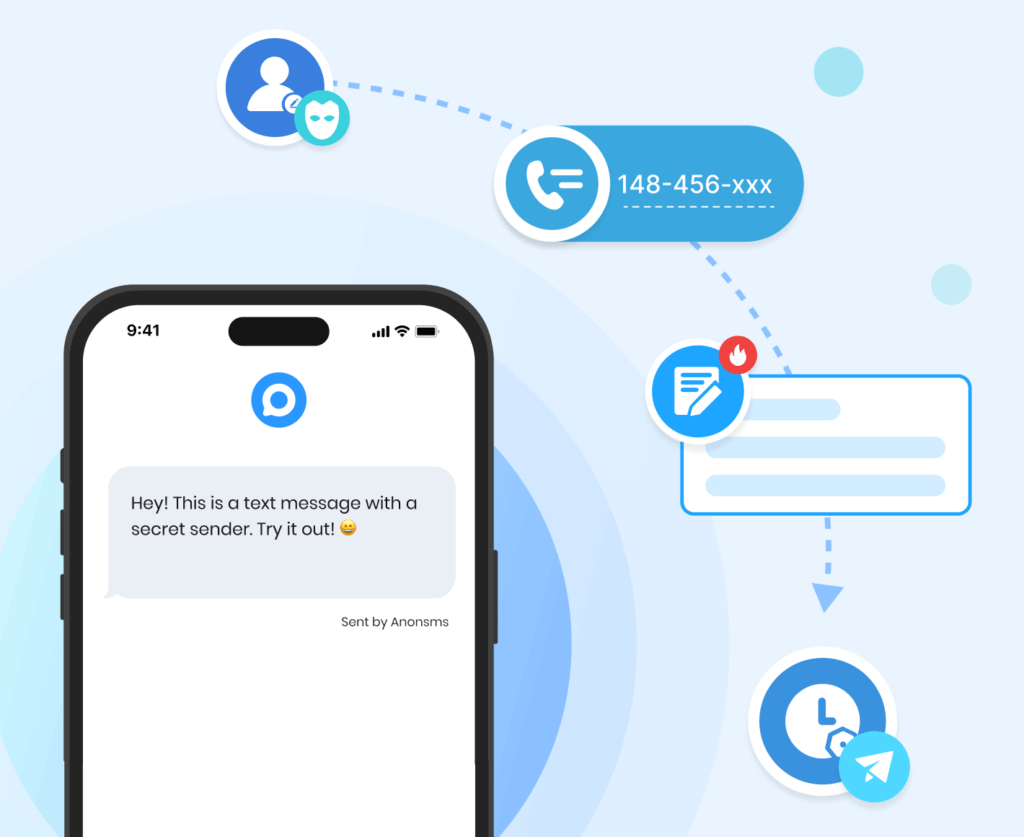
Anonsms supports this process by giving you a safe, anonymous way to express difficult truths when face-to-face confrontation feels overwhelming. Sometimes, the first step toward healing is simply being heard—even if your name isn’t attached.




 English
  German
  Spanish
  Italian
  Turkish
  French
  Russian
  Portuguese
  Czech
Czech  Finnish
  Danish